
Posted By: solarnext
Posted Date: Jan 13, 2026
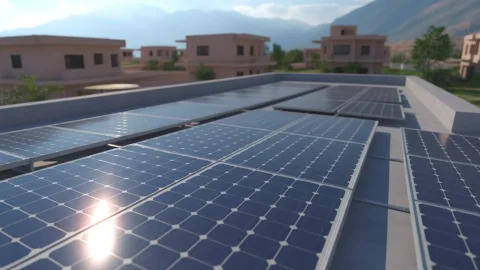
Solar Panel Types in Pakistan are gaining massive attention as energy costs rise and power shortages continue. You see more rooftops shining with panels every year. This guide explains types of solar panels in Pakistan, how they work, and which option suits homes and businesses best. The focus stays practical, simple, and useful for real decisions.
Solar Panel Types in Pakistan mainly fall into three mainstream technologies used in modern solar energy systems. These include monocrystalline solar panels, polycrystalline solar panels, and solutions based on thin-film solar technology. Each option fits a different budget, space limit, and performance expectation. The Pakistan solar market has expanded fast due to falling costs and rising awareness of renewable energy sources.
When exploring solar panel categories in Pakistan, you will notice differences in efficiency, durability, and design. Some panels focus on maximum sunlight conversion efficiency. Others focus on affordability or flexibility. These different solar panels available in Pakistan support electricity generation from solar for homes, factories, and farms across urban and rural regions.
Monocrystalline solar panels are considered the premium choice among solar panel varieties for Pakistan. They are made from single crystal silicon, which allows better electron flow and higher solar panel efficiency in Pakistan. These panels perform well even when roof space is limited. That makes them ideal for rooftop solar installation in cities.
In hot climate solar performance, these panels handle high temperatures better than many alternatives. Their sleek black appearance and long lifespan attract homeowners seeking long-term energy savings. Many solar panel brands in Pakistan now offer advanced monocrystalline models compatible with every solar inverter compatibility standard.
Polycrystalline solar panels are widely used due to their lower upfront cost. They are created using multiple silicon fragments, which reduces manufacturing expenses. This makes them popular among budget-conscious buyers comparing solar panel prices in Pakistan.
Although their efficiency is slightly lower, they still support a reliable Residential solar solution for buildings. For families planning solar systems for Pakistani homes, polycrystalline panels balance cost and performance. In areas with strong sunlight, they still deliver steady output and remain part of common solar panel models in Pakistan.
Panels based on thin-film solar technology are different from traditional silicon panels. They are lightweight, flexible, and easy to install on unusual surfaces. This includes curved roofs and industrial structures where rigid panels struggle.
While thin-film panels have lower sunlight conversion efficiency, they perform consistently in high heat. This makes them suitable solar panels for Pakistani climate in dusty and hot regions. They are often used in large-scale Commercial solar solutions where surface area is not a problem.
A clear solar panel comparison Pakistan helps buyers avoid confusion. Each panel type serves a different purpose based on efficiency, space, and cost.
|
Panel Type |
Average Efficiency |
Cost Range |
Ideal Use |
|
Monocrystalline |
High |
Higher |
Limited roof space |
|
Polycrystalline |
Medium |
Moderate |
Budget homes |
|
Thin-Film |
Low |
Variable |
Large commercial roofs |
This table shows why the best solar panel type in Pakistan depends on your specific needs rather than trends.
When planning a solar installation, buyers often compare market trends such as the 480-watt solar panel price in Pakistan to estimate overall system costs, as higher-wattage panels can reduce space requirements while improving long-term energy output. Pakistan experiences intense heat and long sunny hours. This favors panels designed for strong hot climate solar performance. Monocrystalline solar panels maintain stable output even when temperatures rise.
Dust and pollution also matter. Panels with smooth surfaces are easier to clean and qualify as low-maintenance solar panels. Choosing the right option improves system lifespan and supports sustainable solar energy in Pakistan.
Homes usually require compact systems with strong output. Solar panels for home use in Pakistan often include monocrystalline or polycrystalline panels connected to a grid-connected solar system.
Many households now benefit from the net metering system in Pakistan, which allows selling excess electricity back to the grid. This reduces bills and speeds up recovery of investment in solar power solutions Pakistan.
Factories and malls demand high-capacity systems. Commercial solar panel types in Pakistan often use large arrays of polycrystalline or thin-film panels. These setups support continuous operations and reduce dependency on fossil fuels.
For remote sites, an off-grid solar setup ensures power stability. Businesses adopting renewable energy in Pakistan gain cost control and environmental credibility in competitive markets.
Before investing, consider roof space, energy usage, and budget. Panel efficiency, inverter quality, and installation expertise all matter. Compatibility with existing electrical systems ensures smooth operation.
Local regulations and government solar policies Pakistan also influence system design. Understanding incentives improves returns and supports wider solar adoption in Pakistan.
The future of Solar Panel Types in Pakistan looks promising. New photovoltaic (PV) panels now offer higher efficiency with smaller footprints. Battery storage integration is also improving reliability.
As technology advances, costs continue to fall. This accelerates nationwide adoption and strengthens solar power solutions in Pakistan as a core energy source for decades ahead.
Understanding Solar Panel Types in Pakistan, including trusted brands like Longi solar panels in Pakistan, helps users make smarter energy decisions. Whether for homes or industrial use, choosing the right option delivers long-term savings, energy stability, and sustainable power generation. With rising demand and continuous innovation, solar energy remains one of the strongest paths toward energy independence in Pakistan.
Solar Panel Types in Pakistan now offer practical solutions for homes and businesses seeking stable and affordable energy. With rising electricity costs and frequent outages, choosing the right system supports reliable electricity generation from solar and reduces long-term expenses. While comparing technologies and capacities, many buyers also consider factors such as the 200-watt solar panel price in Pakistan to balance efficiency, budget, and available space with real energy needs.
As the Pakistan solar market continues to mature, smarter panel selection leads to better performance and durability. Whether you prefer high-efficiency panels or budget-friendly alternatives, the right decision strengthens energy security and supports renewable energy in Pakistan. Investing wisely today ensures dependable power and lasting environmental benefits for years ahead.
1. Which solar panel type works best in Pakistan’s climate?
Panels with strong heat tolerance and high efficiency perform best. Monocrystalline panels usually deliver stable output in hot and sunny conditions.
2. Are solar panels a good investment for homes in Pakistan?
Yes. Home solar systems reduce electricity bills and support net metering. Most households recover costs through long-term energy savings.
3. Do solar panels require a lot of maintenance?
No. Occasional cleaning and basic inspections are enough. Most modern panels are designed to work reliably for many years.
Relevant Blogs
Posted Date: Jan 12, 2026
Posted Date: Jan 13, 2026
Posted Date: Jan 13, 2026
Posted Date: Jan 13, 2026
Posted Date: Jan 13, 2026
Want To Chat? Feel Free To
Contact Our Team.
If you have anything in mind just contact our expert.